
Well, I’ve always been into collecting NBA holo cards. One day, I thought, “Hey, I should figure out how to value these things, especially for newbies like me at first.” So, I started my little adventure.
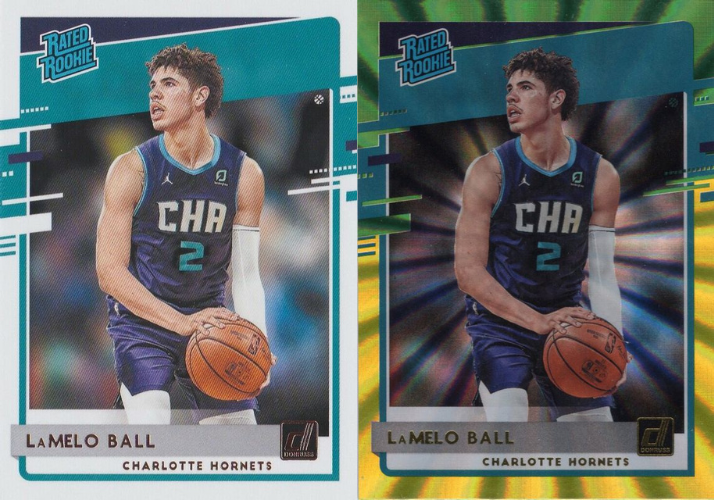
Step 1: Gathering Basic Info
I began by hitting up some local card stores. I walked in there and started chatting with the store owners. I asked them, “How do you guys even start to value these NBA holo cards?” They told me to look at the player’s popularity. Like, if it’s a super – star player like LeBron James or Stephen Curry, the card is likely to be worth more. I also found out that the year the card was made matters. Older cards, especially from the ’80s and ’90s, can be pretty valuable. I made a mental note of these points and started looking at the cards in my collection with new eyes.
Step 2: Checking the Condition
Next, I learned about the importance of the card’s condition. I carefully took each card out of its sleeve. I was looking for things like scratches, creases, or if the corners were bent. I remembered what an expert at the store said: “A mint – condition card can be worth three to five times more than a card with visible wear.” So, I was super careful handling them. I even used a magnifying glass to check for the tiniest flaws. I set aside the cards in the best condition, thinking they’d be the most valuable.
Step 3: Researching Online
Then, I hopped on the internet. I went to some card – collecting forums. I started reading posts where people were talking about the prices they’d sold or bought NBA holo cards for. I also found some online marketplaces and looked at the asking prices for similar cards. I noticed that rare cards, like those with limited editions or special autographs, were going for crazy amounts of money. I made a list of the prices I saw for different types of cards, trying to get a sense of the market value.
Step 4: Comparing with Others
I decided to compare my cards with what other collectors had. I joined a local card – collecting group. We’d meet up and show off our collections. I compared my LeBron James holo card with others in the group. I found out that the version I had was a bit more common, so it might not be as valuable as some of the rarer ones. But I also learned that the condition of my card was better than some, which could add a bit to its value.
Step 5: Getting a Professional Opinion
Finally, I took some of my most valuable – looking cards to a professional card grader. I was a bit nervous as I handed them over. The grader carefully examined each card under a bright light. After a while, they gave me a detailed report. They told me which cards were worth more based on their grading system. They also gave me some tips on how to store the cards to keep their value. It was like getting the final word on my collection.
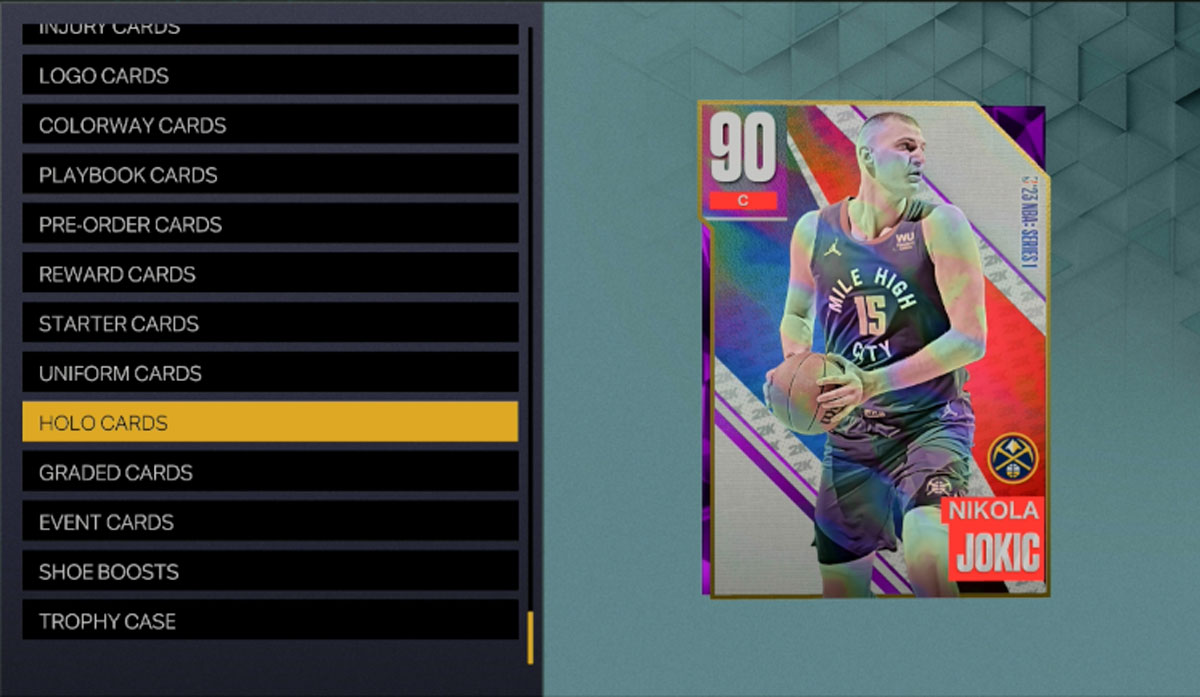
Through this whole process, I learned that valuing NBA holo cards isn’t just about the money. It’s about understanding the history, the player, and the condition of the card. It’s been a fun journey, and I hope this guide can help other beginners like I was at the start!
